Meta Description: Discover the complete guide to factors affecting plant growth. Learn about internal (genetic, hormonal) and external (abiotic, biotic) factors that influence plant development and how to optimize them for healthier crops.
Introduction
Understanding the factors that affect plant growth is essential for gardeners, farmers, and botanists alike. While most people are familiar with the basic requirements—water, light, temperature, humidity, and nutrients—these represent only the foundation. Plant growth is a complex process influenced by numerous internal and external factors that work together to determine a plant’s health, development rate, and ultimate yield.
These factors can be systematically classified into four main categories: **abiotic factors **, **biotic factors **, **genetic factors **, and **hormonal factors **. Each plays a unique and critical role in shaping plant composition and development. By understanding how these elements interact, growers can create optimal growing conditions, prevent common problems, and maximize crop production.
In this comprehensive guide, we’ll explore each factor in detail, explaining how they affect plant growth and what you can do to ensure your plants thrive.
What Are External Factors That Affect Plant Growth?
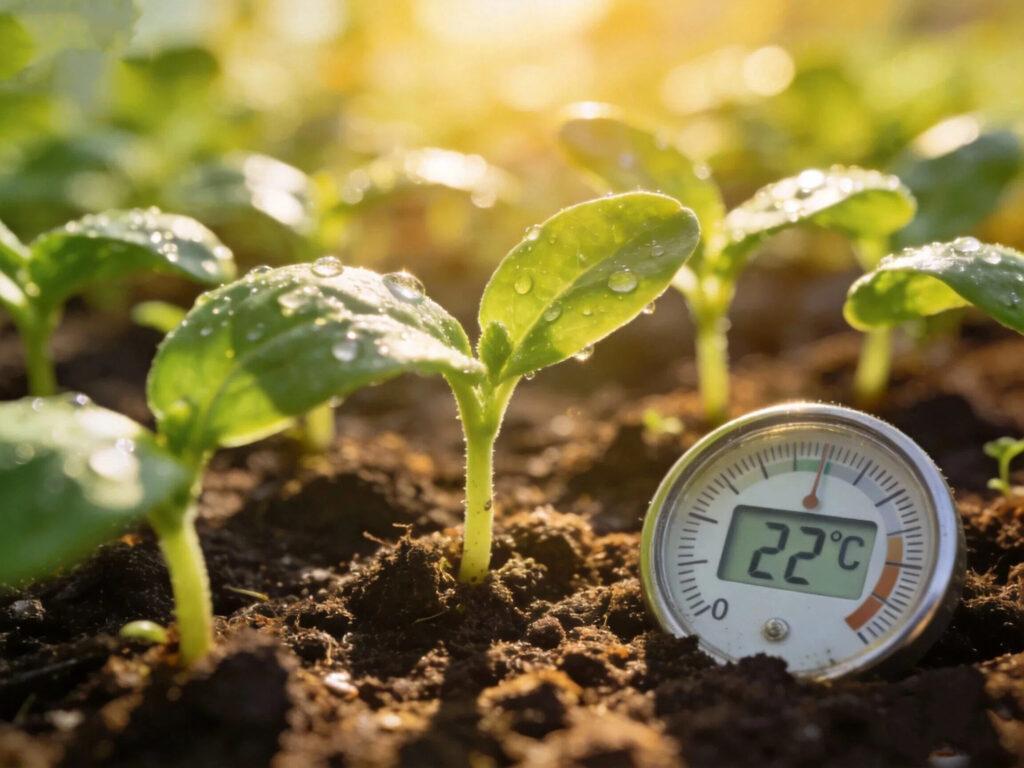
External factors, also known as environmental factors, are elements outside the plant that influence its growth, development, and reproduction. These are conditions plants absorb from their surroundings to survive and flourish.
Understanding Abiotic Factors
Abiotic factors are the non-living components of the environment that directly or indirectly impact plant growth. Beyond the well-known elements of light, water, temperature, nutrients, and humidity, several other abiotic factors play crucial roles:
1. Topography and Land Characteristics
The physical characteristics of land significantly influence plant growth. Key aspects include:
- Altitude: Higher altitudes typically result in lower temperatures and affect water circulation patterns
- Terrain type: Mountainous, flat, or undulating terrain creates different microclimates suited for specific plant species
- Slope direction: South-facing slopes in the northern hemisphere receive more sunlight, affecting plant selection and growth patterns
2. Soil Composition and Structure
Soil serves as the growth medium for most plants and the primary source of nutrients through root systems. The physical, biological, and chemical properties of soil determine which plants can thrive in a given location.
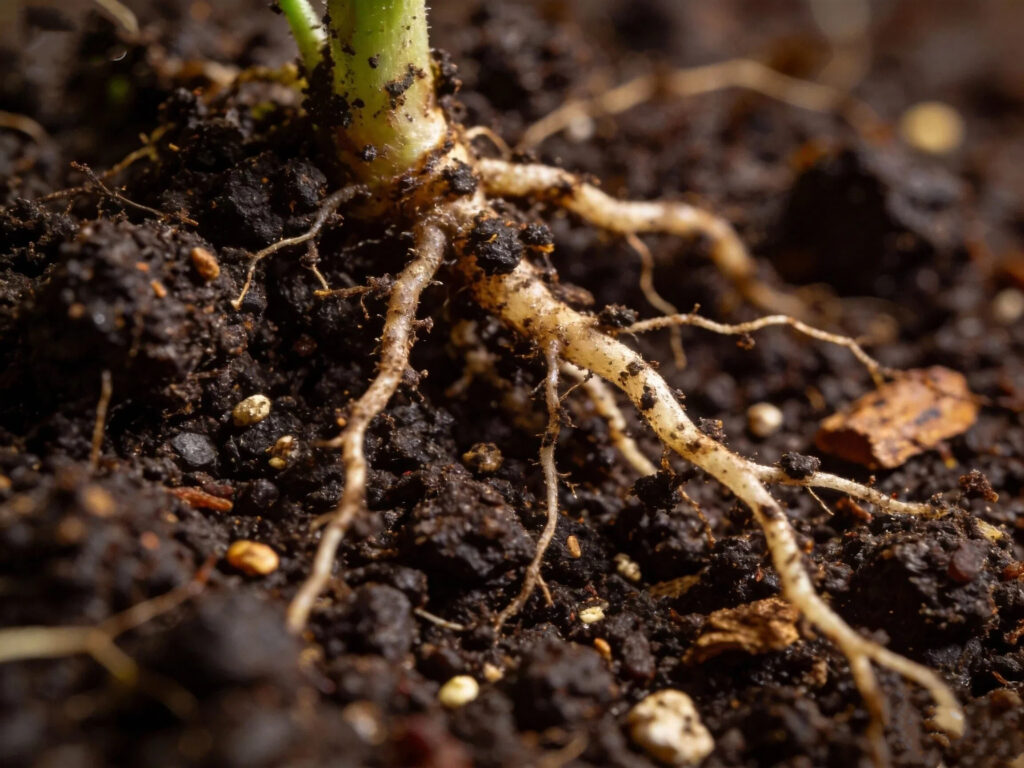
Soil also hosts thousands of living organisms including fungi, bacteria, protozoa, and algae. These microorganisms work to improve soil structure, facilitate nutrient availability, and enhance water permeability.
The Five Essential Abiotic Factors
Let’s examine the primary abiotic factors in detail:
Light
Light is arguably the most critical factor affecting plant growth. It plays a fundamental role in:
- Photosynthesis: The process by which plants convert light energy into chemical energy
- Photomorphogenesis: Light-mediated development and differentiation of plant organs
- Photoperiodism: Plant responses to day length, influencing flowering and dormancy
- Reproduction: Many plants require specific light conditions to trigger flowering and fruit production
Water
Water works in conjunction with light to drive photosynthesis. It enters plants through the root system and exits through transpiration. Water is essential for:
- Nutrient transport: Moving minerals from soil to plant tissues
- Cell turgor: Maintaining plant structure and rigidity
- Temperature regulation: Cooling plants through transpiration
- Metabolic processes: Participating in biochemical reactions
Both deficiency and excess of water can severely damage plant health, making proper watering crucial.
Temperature
Temperature affects plant growth from seed germination through reproduction. Its influence includes:
- Metabolic rate: Higher temperatures generally increase metabolic activity up to optimal levels
- Cellular processes: Enzyme activity, membrane fluidity, and protein synthesis are temperature-dependent
- Growth stage specificity: Different plants require different temperatures at various growth stages
- Germination: Many seeds require specific temperature ranges to break dormancy
Nutrients
Plants require 17 essential nutrients for optimal growth, divided into:
- Macronutrients: Nitrogen, phosphorus, potassium, calcium, magnesium, and sulfur
- Micronutrients: Iron, manganese, zinc, copper, boron, molybdenum, chlorine, and nickel
These nutrients support critical functions including electron transport, enzymatic activity, cell membrane permeability, and protein synthesis. Without adequate nutrients, plant growth is delayed and quality suffers.
Humidity
Humidity affects transpiration rates and water loss. It influences:
- Water balance: Higher humidity reduces transpiration stress
- Disease susceptibility: Excess humidity can promote fungal diseases
- Stomatal function: Proper humidity levels allow efficient gas exchange
Understanding Biotic Factors
Biotic factors are living organisms that interact with plants, either benefiting or harming them. These interactions significantly impact plant health and growth:
1. Mutualism
Mutualism represents beneficial relationships between different species. Examples include:
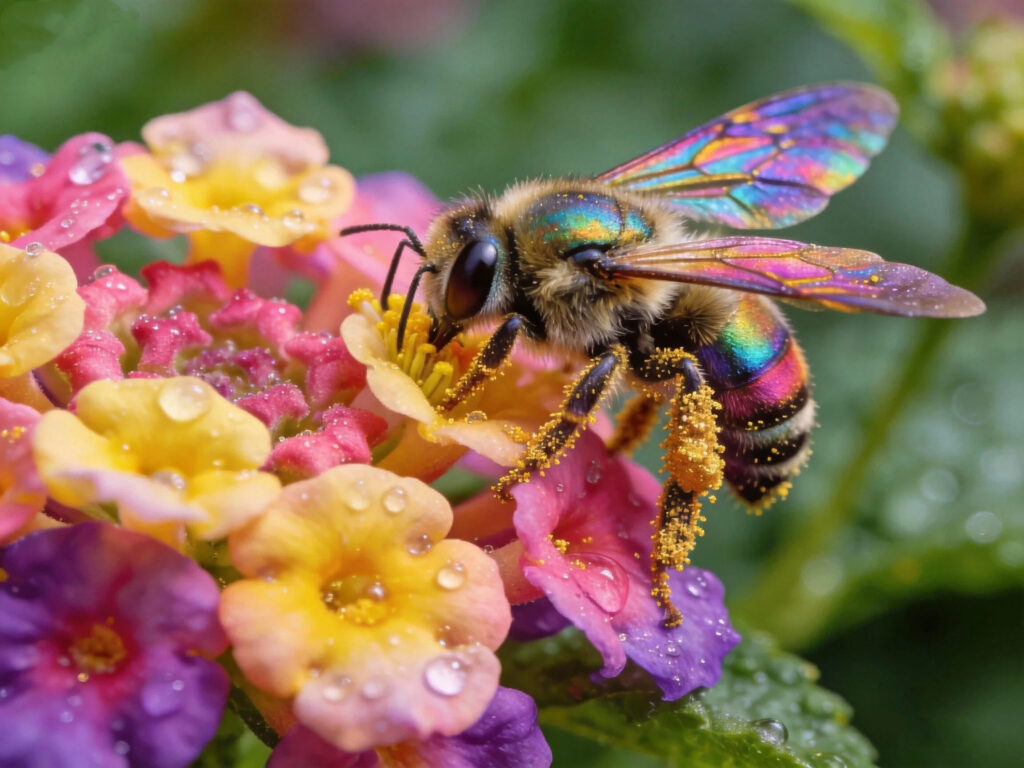
- Pollination: Bees, butterflies, birds, and other pollinators transfer pollen between flowers while feeding on nectar
- Mycorrhizal associations: Fungi form symbiotic relationships with plant roots, enhancing nutrient and water uptake
- Nitrogen fixation: Bacteria in legume root nodules convert atmospheric nitrogen into forms plants can use
2. Parasitism
Parasitic relationships involve organisms that benefit at the plant’s expense:
- Parasitic plants: Mistletoe, dodder, and witchweed extract nutrients directly from host plants
- Fungal and bacterial pathogens: Cause diseases that reduce growth, yield, and plant survival
- Nematodes: Microscopic worms that damage root systems, impairing nutrient uptake
3. Herbivory
Herbivores consume plant parts, causing varying degrees of damage:
- Insects: Caterpillars, aphids, beetles, and other insects feed on leaves, stems, and roots
- Mammals: Deer, rabbits, and rodents graze on foliage and bark
- Birds: Some species consume seeds, fruits, or tender growth
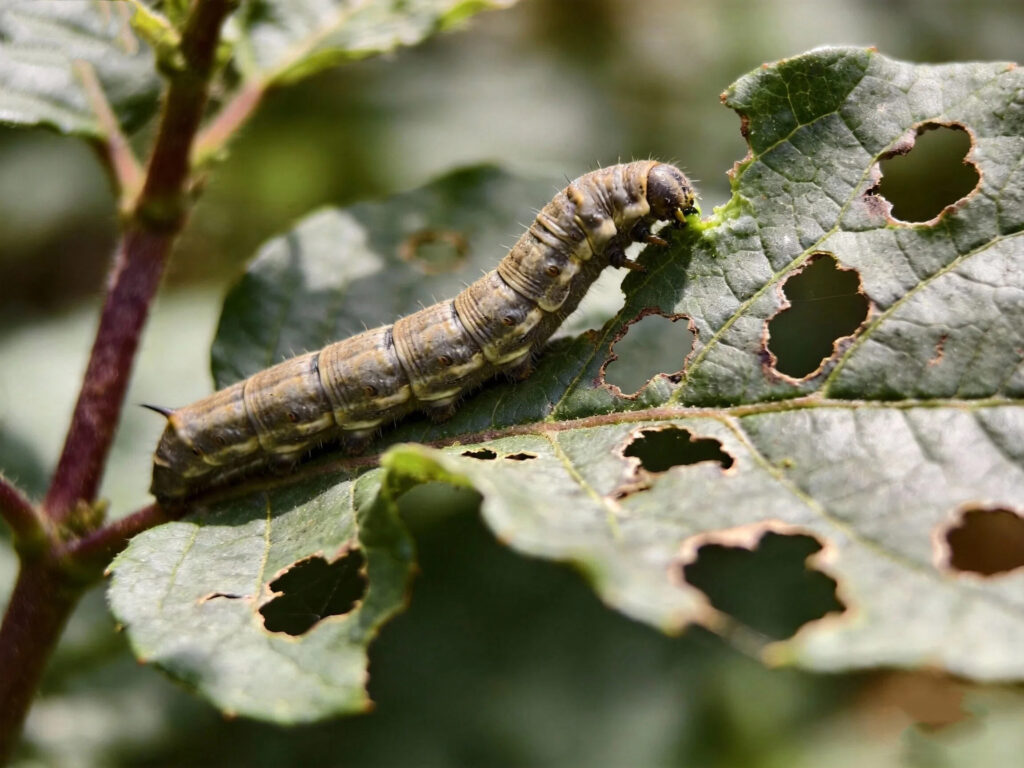
Herbivory can reduce photosynthetic capacity, structural integrity, reproductive potential, and in severe cases, cause plant death.
Internal Factors Affecting Plant Growth
While external factors provide the conditions for growth, internal factors determine how plants respond to these conditions. These include genetic and hormonal influences.
Genetic Factors
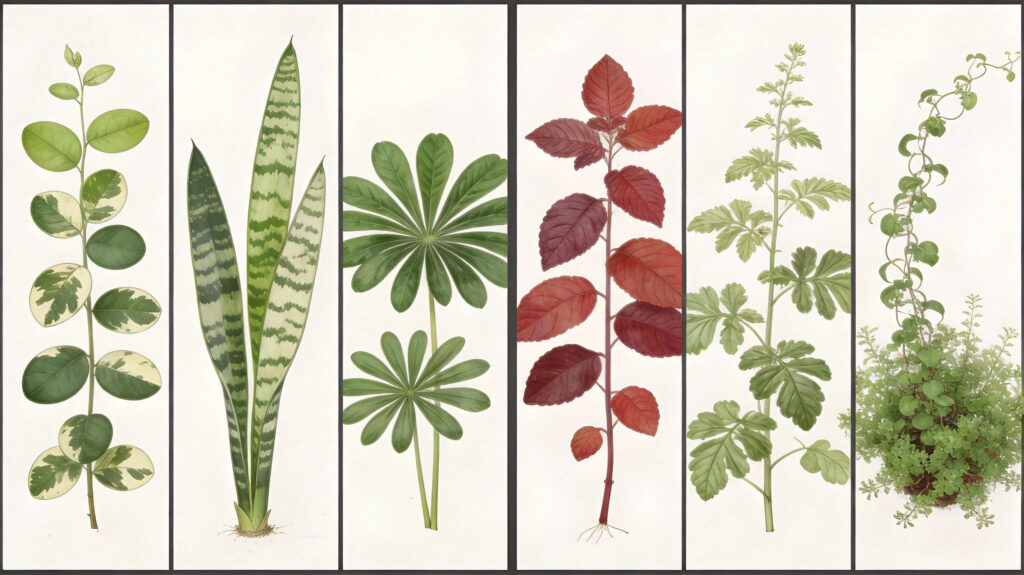
Just as humans inherit traits from their parents, plants are shaped by their genetic makeup. Genetic factors are the primary internal determinants of:
- Plant morphology: Size, shape, leaf structure, root architecture
- Growth patterns: Determinate vs. indeterminate growth habits, growth rate
- Environmental requirements: Specific light, temperature, and moisture needs
- Resistance traits: Natural defenses against pests and diseases
- Reproductive characteristics: Flowering time, fruit production, seed characteristics
Genes located within plant cells contain the blueprint for protein synthesis, enzyme production, and biochemical processes that drive development. This genetic diversity explains why different plant species have distinct appearances and growth requirements even under identical environmental conditions.
Hormonal Factors
Plant hormones, or phytohormones, are chemical messengers that regulate growth and development. They function as the plant’s internal control system, coordinating responses to environmental conditions.
Key Plant Hormones and Their Functions:
- Auxins: Promote cell elongation, regulate apical dominance, control tropic responses
- Gibberellins: Stimulate stem elongation, seed germination, fruit development
- Cytokinins: Promote cell division, delay senescence, influence shoot development
- Abscisic acid: Regulates stress responses, controls stomatal closure, promotes dormancy
- Ethylene: Influences fruit ripening, leaf abscission, stress responses
Hormonal regulation involves:
- Resource allocation: Distributing water, nutrients, and energy to where they’re most needed
- Growth processes: Controlling cell division, cell expansion, and tissue differentiation
- Developmental timing: Coordinating seed formation, flowering, fruiting, and senescence
- Growth inhibition: Regulating plant size, leaf size, and fruit development
- Stress response: Managing reactions to wounds, pests, diseases, and environmental stress
The Importance of Understanding All Growth Factors
Comprehensive knowledge of both internal and external factors affecting plant growth provides several critical advantages:
1. Optimized Growing Environments
By understanding how each factor influences growth, growers can create ideal conditions in:
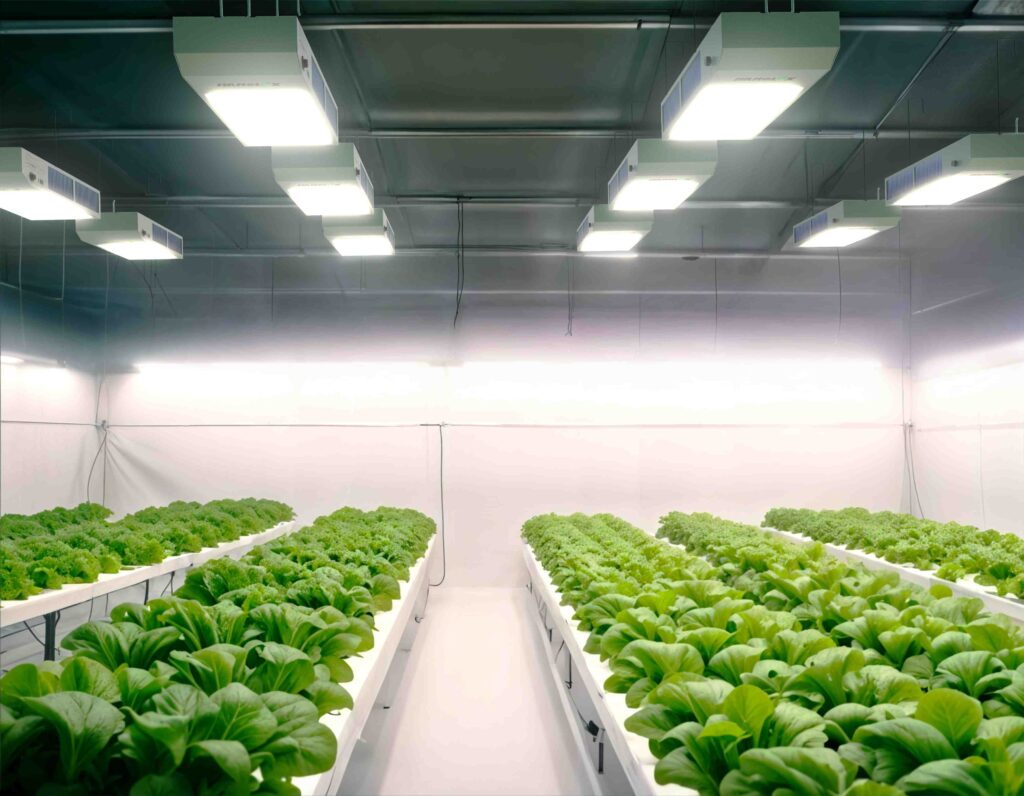
- Greenhouses: Precise control of temperature, humidity, light, and water
- Indoor gardens: Artificial lighting and climate control systems
- Outdoor gardens: Site selection and microclimate manipulation
2. Problem Prevention and Resolution
Identifying which factor is causing growth problems allows for targeted solutions:
- Nutrient deficiencies: Diagnosed through leaf symptoms and corrected with appropriate fertilization
- Water stress: Recognized through wilting, leaf curling, or root rot
- Pest and disease damage: Identified early and managed through integrated pest management
3. Increased Productivity and Quality
Optimizing growth factors leads to:
- Higher yields: More abundant harvests through optimal growing conditions
- Better quality: Improved flavor, nutrition, and appearance of produce
- Faster growth: Reduced time to harvest through efficient resource management
- Reduced losses: Fewer plants lost to stress, disease, or poor conditions
4. Sustainable Practices
Understanding growth factors supports:
- Resource efficiency: Reduced water and fertilizer waste through precise application
- Environmental protection: Minimized chemical use through integrated management
- Climate adaptation: Selection of plant varieties suited to changing conditions
Conclusion
Plant growth is a complex process influenced by multiple internal and external factors. While water, light, temperature, humidity, and nutrients form the foundation, success requires understanding the complete picture—including abiotic and biotic factors, genetic predispositions, and hormonal regulation.
By mastering these factors, growers can move beyond basic plant care to create sophisticated growing environments that optimize every aspect of plant development. Whether you’re a home gardener, commercial farmer, or research scientist, this comprehensive understanding enables you to solve problems, increase productivity, and grow healthier, more resilient plants.
The key takeaway is that successful plant cultivation requires attention to detail and a holistic approach. Each factor interacts with others, and optimal growth occurs only when all elements are balanced appropriately. With this knowledge, you can create growing conditions that help plants reach their full genetic potential.