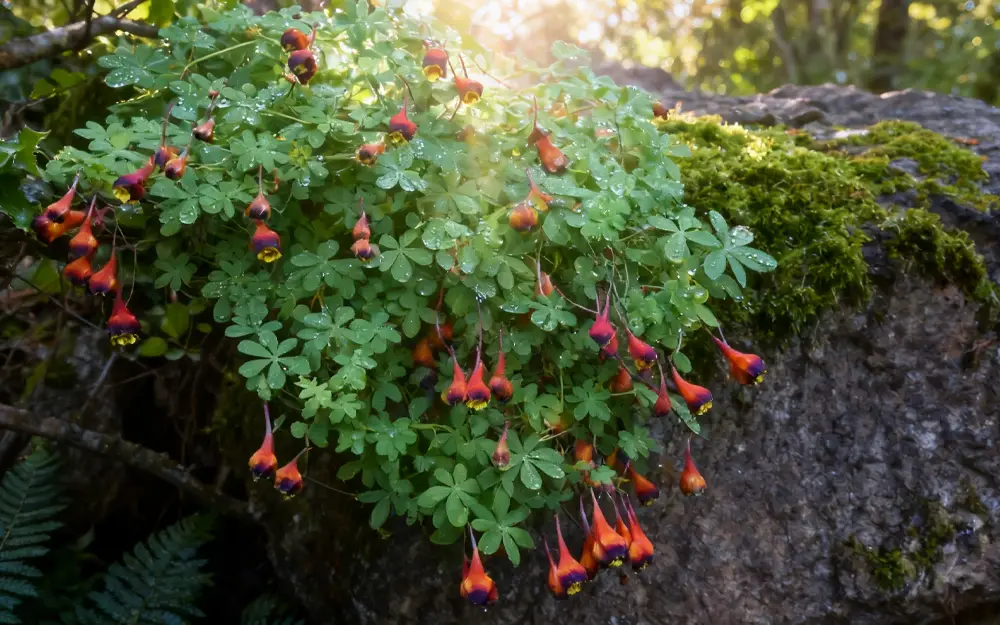
In the dense forests along the border of Chile and Argentina in South America, Tropaeolum tricolor vines are showcasing a remarkable “mimicry” in the plant kingdom, seemingly guided by their own natural light recipes. The leaves of this vine can precisely replicate the shape of the plants they cling to — if the host leaves are oval, the vine’s leaves will follow suit; if the host has narrow lanceolate leaves, its leaves will become elongated and slender, even matching the color tones.
This is not magic. It is the vine’s extraordinary ability to perceive and respond to light signals. For plants, light is far more than an energy source for photosynthesis — it acts as an invisible designer, shaping plant architecture, colors, and growth rhythms through three key tools: light quality (wavelength/color), light intensity, and photoperiod (duration of light exposure). Today, we decode the creative principles behind this invisible designer.
How Plants Sense Light: Photoreceptors That Shape Growth and Structure
Although plants lack eyes or nervous systems, they’ve evolved a sophisticated light-sensing network that functions as their environmental “visual center”. At its core are specialized photoreceptor proteins — molecular detectors finely tuned to specific wavelengths of light. When activated, these receptors trigger intricate signaling pathways inside the cell, translating light cues into precise instructions for growth, form, and development.
Phytochromes, key sensors of red and far-red light, act as the plant’s “posture regulators”. Under red-rich sunlight, they suppress stem elongation, promoting sturdy stems and broad leaves. But in shaded conditions — where far-red light dominates — they switch conformation and activate genes that drive rapid upward growth, helping the plant outcompete neighbors for light. Meanwhile, cryptochromes and phototropins detect blue light. They steer phototropic bending (growth toward light), regulate stomatal opening, and even influence flowering time.
As for Tropaeolum tricolor‘s remarkable mimicry, scientists propose that tiny, lens-like protrusions on the edges of its leaves may focus reflected light to detect the shape of nearby foliage — even artificial leaves.
Sculpting Shape and Color: The Dual Magic of Light
Sunflowers track the sun, and potted vines lean toward windows — classic examples of phototropism, where light sculpts plant form. The driver is auxin, a growth hormone that accumulates on the shaded side of a stem, accelerating cell elongation and bending the plant toward light to maximize leaf exposure.
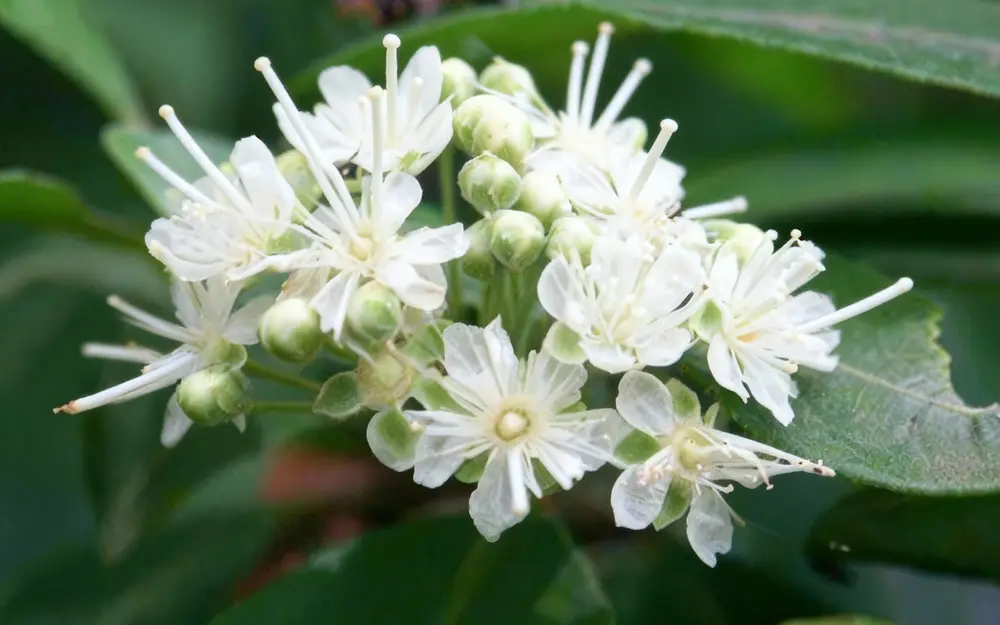
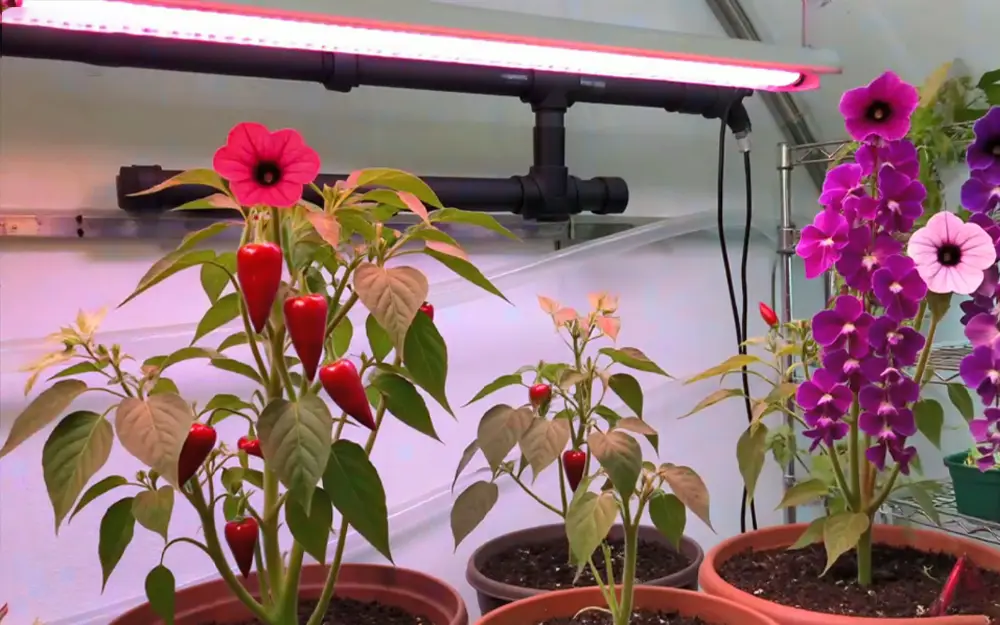
Light also paints plants by regulating pigments. Chlorophyll, carotenoids, and anthocyanins give plants their colors — and light quality acts as the switch. Blue light strongly boosts anthocyanin production: continuous exposure can turn pepper leaves vivid blue-purple by activating genes like PAL and F3H. In ornamentals, adding blue light increases anthocyanin levels by over 40%, creating striking blue-purple hues. Red light deepens petunia flower color and extends bloom time by nearly a week. For wisteria, UV-B plus blue light is essential for rich purple blooms — without it, flowers fade to pale pink.
Even at the microscopic level, light shapes structure. In marine microalgae (Pseudochloris spp.), the light-harvesting antenna proteins around Photosystem I arrange in a Fibonacci spiral, achieving 95% light-capture efficiency — far surpassing most land plants.
From Forests to Farms: Custom Light Recipes with Nanolux
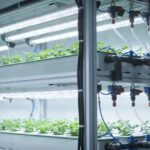
By decoding light–plant communication, Nanolux enables agriculture to craft precise “light recipes” that boost both quality and yield:
- Functional veggies: High blue light enhances vitamin C and anthocyanins, producing vivid purple-red stems.
- Leafy greens: Red-dominant light accelerates growth by ~30%, maturing 3–5 days faster; low far-red ensures compact, transport-ready seedlings.
- Ornamentals: Optimized ratios of UV-A, blue, and red/far-red enrich flower color, increase bloom density, and shape ideal plant architecture.
From forest vines mimicking host leaves to sunflower stretching toward the sun — and now to greenhouse crops illuminated by Nanolux’s algorithmically optimized light systems — light’s influence is universal. By mastering the language of light, agriculture moves from following nature to orchestrating it with precision, intelligence, and purpose.